
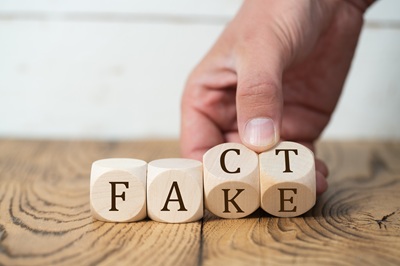
Fact or fake — can you tell the difference? Fake or misleading news is not a new problem. People have been making up news for centuries! In the late 1800s, it was called “yellow journalism.” Reporters used shocking headlines and even made-up stories to sell more newspapers.
Today, people often get their news from websites and social media. This makes it easier for fake news to spread and cause a bigger problem. To find the truth, you need to pay close attention. Make sure to check more than one source and look for the most reliable information. Avoid spreading false or misleading stories. Learn how to identify Fake News.
Still need help finding the facts? Ask a Librarian
Fact Checking Resources
FactCheck.org
FactCheck.org is a project by the Annenberg Public Policy Center at the University of Pennsylvania. It helps voters by checking facts to reduce confusion and lies in U.S. politics.
PolitiFact
PolitiFact checks statements made by elected officials and others in politics. It rates how true or false the claims are. It is run by reporters and editors from the Tampa Bay Times, an independent newspaper in Florida.
PunditFact
Also run by the Tampa Bay Times and the Poynter Institute, this site checks what media voices say—such as talk show hosts, guests, bloggers, and political experts.
Snopes.com
Snopes was started in 1995 by David Mikkelson. It began with a focus on urban legends. Today, it is one of the best-known sites for checking stories, myths, and internet rumors.
The CRAAP Test
Does your information pass the CRAAP test? Developed by librarians at California State University, Chico, the CRAAP test helps evaluate the information you find.
TruthOrFiction
This site helps you find out if stories, emails, warnings, or online claims are true or false. It covers scams, hoaxes, jokes, prayer requests, and more.